Is Morocco Safe to Visit? Honest Safety Tips

“Is Morocco safe?” is the question we hear most often from travellers, usually in the first email, sometimes before they have even asked about the Sahara. It is a fair thing to wonder about a country you have never visited, especially when friends have stories about pushy guides in the Marrakech medina. The honest answer from our team, who live and work here, is that Morocco is a safe country for visitors, with a hassle problem rather than a danger problem. Below is what actually goes wrong, how to avoid it, and where the real risks lie.
In short: yes, Morocco is safe to visit for most travellers. Violent crime against tourists is rare. The things that spoil trips are petty theft, overcharging, persistent touts and, statistically the biggest risk, the roads. Governments including the UK and US advise normal-to-increased caution, mainly because of a general terrorism threat shared with much of Europe. Use common sense, keep valuables discreet and you will very likely have a trouble-free trip.
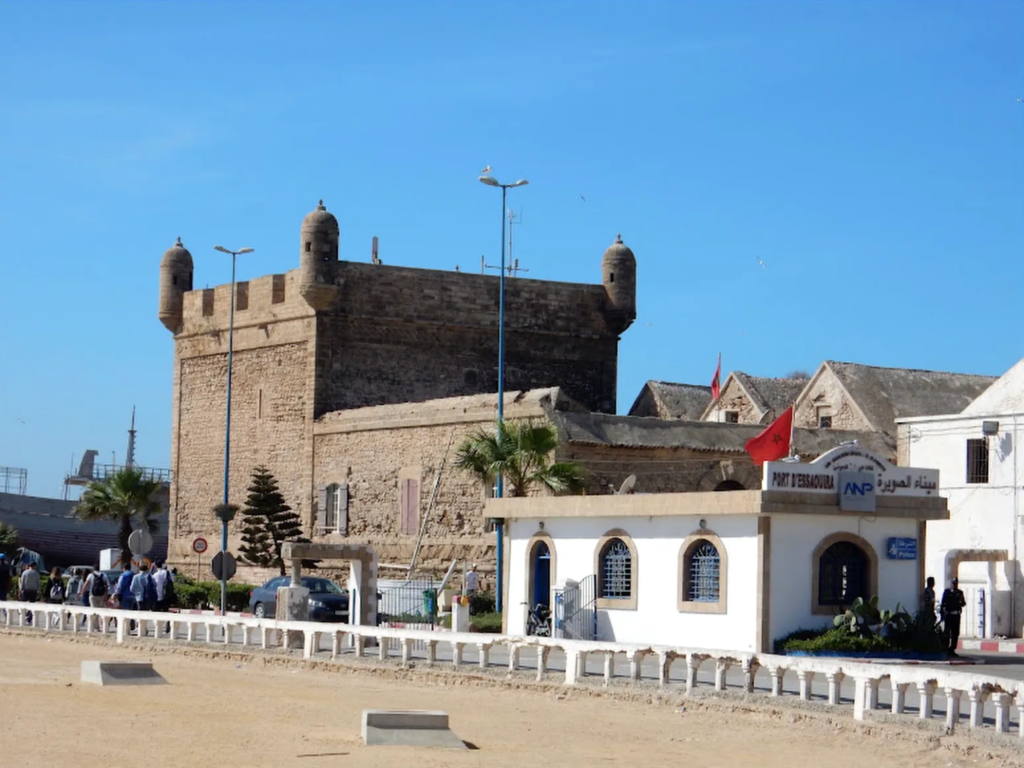
How safe is Morocco really?
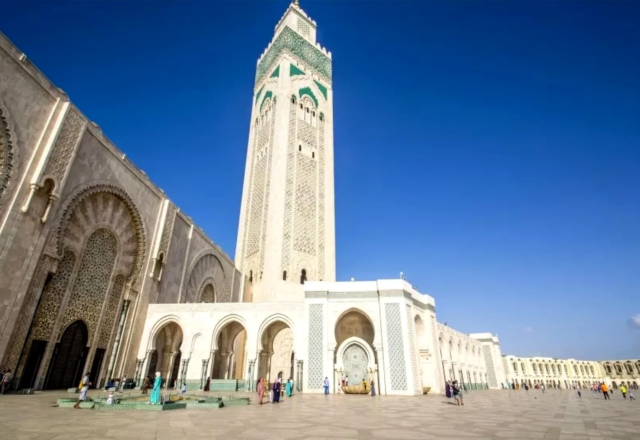
Morocco welcomed over 17 million visitors in 2024 and more again in 2025, and the government treats tourism as a national priority. There is a dedicated tourist police (brigade touristique) in Marrakech, Fes, Casablanca, Tangier and Agadir, and plain-clothes officers in the main medinas. Visible policing around Jemaa el-Fna and the big monuments is heavy.
Most of what travellers describe as “feeling unsafe” turns out, on closer questioning, to be feeling hassled: being followed by a would-be guide, being told a street is closed, being pressed to buy. It is tiring and occasionally intimidating, but it is a different thing from danger. Learning the difference is half the battle.
Common scams and how to sidestep them
None of these will hurt you, but they can cost money and goodwill. We brief all our travellers on them before they arrive.
Faux guides
Unofficial guides (faux guides) attach themselves to visitors in the Fes and Marrakech medinas, offering to show the way and ending at a relative’s shop or demanding a fee. Hustling tourists is illegal and police do act on it, but it has not disappeared. A smile, a firm “la, shukran” (no, thank you) and walking on is usually enough. If you want a guide, book an official one with a badge through your riad or a reputable agency. In Fes’s medina, a licensed guide genuinely saves hours.
“That way is closed”
Someone tells you the road ahead is closed, the square is shut for prayer, or the tannery is only open today. It almost never is. Thank them and keep going, or check the map on your phone.
Tannery and henna tricks
In Fes and Marrakech, the “free” tannery viewing often ends with a request for 100–200 MAD and a hard sell in the leather shop. Agree any price before going up. Around Jemaa el-Fna, henna artists may grab a hand and start painting, then ask for 200 MAD or more. Keep your hands to yourself and say no clearly.
Taxis without the meter
Petit taxis in cities are required to use the meter (compteur). Ask for it as you get in, or agree a price before the car moves. From Marrakech airport, a fixed tariff is posted; expect around 100–150 MAD (€9–14) to the medina by day, more at night. Our guide to getting around Morocco lists typical fares.
Overcharging in the souks
Not a scam exactly, but first prices in the souks can be several times what a local would pay. That is the game, not an insult. Read our tips on how to bargain in Moroccan souks before you go shopping.
Petty crime
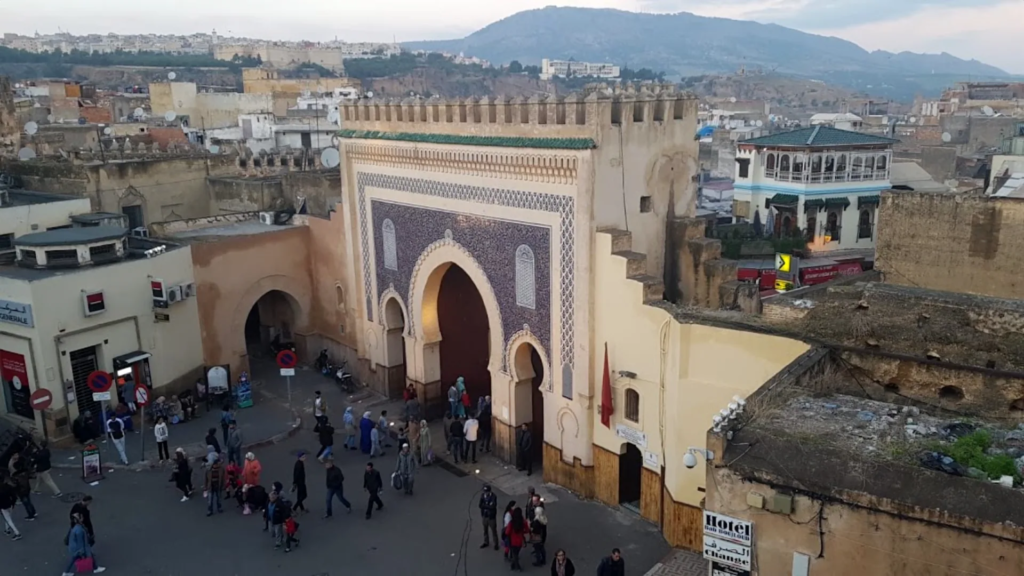
Pickpocketing and bag snatching happen in crowds: Jemaa el-Fna at night, the Fes Bab Boujloud gate, Casablanca’s train stations and busy buses. Scooter snatches of phones held out on the street are occasionally reported in Marrakech and Casablanca. Keep your phone in a front pocket, carry a cross-body bag zipped and closed, and leave passports in the riad safe with a photocopy on you.
Burglary of riads and hotel rooms is rare. Car break-ins are more common in parking areas at beaches and trailheads, so leave nothing visible in a hire car.
Road safety: the real risk
If something serious happens to a visitor in Morocco, it is far more likely to involve a road than a person. Morocco’s road death rate is several times higher than in the UK, according to World Health Organization data, and the mountain roads demand respect. The Tizi n’Tichka pass over the High Atlas (2,260 m) is a well-engineered road but full of hairpins, slow lorries and overtaking on blind bends.
- Avoid driving at night outside cities: unlit carts, pedestrians and livestock share the road.
- Expect police checkpoints and speed traps; fines are paid on the spot.
- Use reputable transport: ONCF trains, CTM and Supratours buses, or a licensed driver.
- Wear a seatbelt, even in the back of a grand taxi if one is fitted.
Thinking about driving yourself? Our article on driving in Morocco is honest about both the pleasures and the pitfalls. Many travellers prefer a car with a driver for long desert routes.
Terrorism risk
The UK Foreign Office states that terrorists are very likely to try to carry out attacks in Morocco, which is the same wording it uses for a number of European countries. The US State Department currently places Morocco at Level 2, “Exercise increased caution”, also mainly because of terrorism. Moroccan security services have a strong record of disrupting plots, and attacks on tourists have been very rare; the most recent were the Marrakech café bombing in 2011 and the killing of two Scandinavian hikers in the High Atlas in 2018.
Read the current guidance before you travel on the GOV.UK Morocco travel advice and the US State Department page for Morocco. Both also cover the Western Sahara and areas near the Algerian border, where advice is stricter.
Protests and politics
Demonstrations happen in Rabat, Casablanca and other cities, including the youth-led protests of autumn 2025, some of which turned violent in smaller towns. They are rarely aimed at foreigners. Avoid gatherings, follow local news and do not photograph police or military sites. Criticising the king or Islam in public is both illegal and unwise.
Health and natural hazards
Most health problems are minor: an upset stomach from too much rich food, sunburn, dehydration. Drink bottled or filtered water, eat at busy stalls where food is cooked in front of you, and wear a hat in the desert. Altitude matters on Toubkal; our guide to trekking in Morocco covers it. Pharmacies are excellent and well stocked.
On 8 September 2023, a magnitude 6.8 earthquake struck Al Haouz province south of Marrakech, killing nearly 3,000 people and devastating mountain villages. Reconstruction has continued since; roads into the High Atlas are open, tourism has recovered and visiting is one of the best ways to support the region. Marrakech’s medina suffered limited damage and is fully open. Morocco is seismically active, as is much of the Mediterranean, but a repeat of 2023 is not something to plan your trip around.
Flash floods are the other natural risk, particularly in the Atlas and the south between September and November and in early spring. Never camp in a dry riverbed and heed your guide’s warnings.
Is Morocco safe for women?
Thousands of women travel here every year, alone or together, and most have a good time. The common complaint is verbal harassment: comments, whistles, being followed for a few streets. Physical assault is uncommon. Modest clothing, a confident manner and staying in well-reviewed riads make a noticeable difference. We cover this in much more detail, with practical tips from our female guides, in is Morocco safe for solo female travellers.
LGBTQ+ travellers
Same-sex relations are illegal in Morocco under Article 489 of the penal code. Prosecutions of foreign tourists are rare, but public displays of affection are best avoided, as they are for all couples. Many LGBTQ+ travellers visit without problems by being discreet.
Morocco safety checklist
- Check the GOV.UK or State Department advice a week before you fly
- Take travel insurance that includes medical evacuation
- Leave your passport in the riad safe; carry a copy
- Agree taxi fares or insist on the meter
- Book guides through your riad or a licensed agency
- Avoid road travel after dark outside cities
- Save emergency numbers: police 19, gendarmerie 177, ambulance and fire 15
- Drink bottled or filtered water
- Keep phones out of reach of passing scooters
Our honest verdict
We have hosted families with toddlers, retired couples and solo backpackers, and serious incidents are very rare. The travellers who struggle are usually those who arrive tired, land in the medina after dark without a plan and get swept up by the first person who offers help. The cure is simple: arrange your airport pick-up, get your bearings with a guide on day one, and save the solo wandering for day two. If you prefer someone else to handle the logistics, our private Morocco tours include a driver and local guides throughout.
Frequently asked questions
Is Morocco safe to visit right now?
Yes, for most travellers. Check the latest GOV.UK and US State Department advice before departure, as conditions can change, but tourism is operating normally across the country.
Is Marrakech safe for tourists?
Marrakech is generally safe, with a strong tourist police presence. The main issues are pickpocketing in crowds, hustlers in the medina and overcharging, not violent crime.
Is it safe to drink tap water in Morocco?
Tap water in big cities is treated, but most visitors stick to bottled or filtered water to avoid stomach upsets. In rural areas and the mountains, always treat or buy water.
Is the Sahara desert safe to visit?
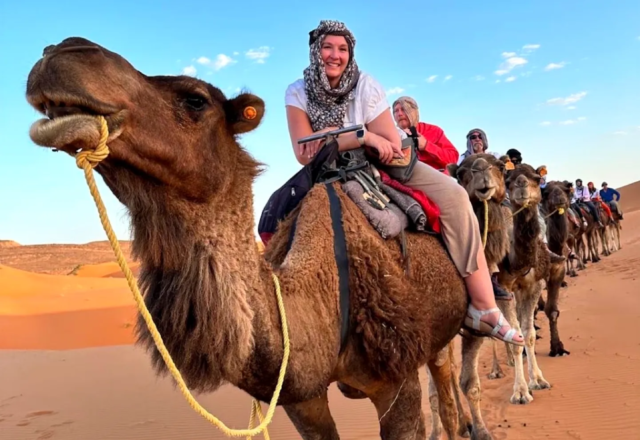
Yes. The Merzouga and Zagora areas are well established for tourism. Travel with a reputable operator, avoid areas near the Algerian border and respect summer heat.
Are there areas of Morocco to avoid?
Foreign governments advise against travel to some parts of Western Sahara, notably near the berm, and to certain areas close to the Algerian border. The main tourist routes are not affected.
If you would like to travel with people who know the country inside out, take a look at our Morocco tours or send our Marrakech team a message. We are happy to answer any safety question, however small, before you book.