
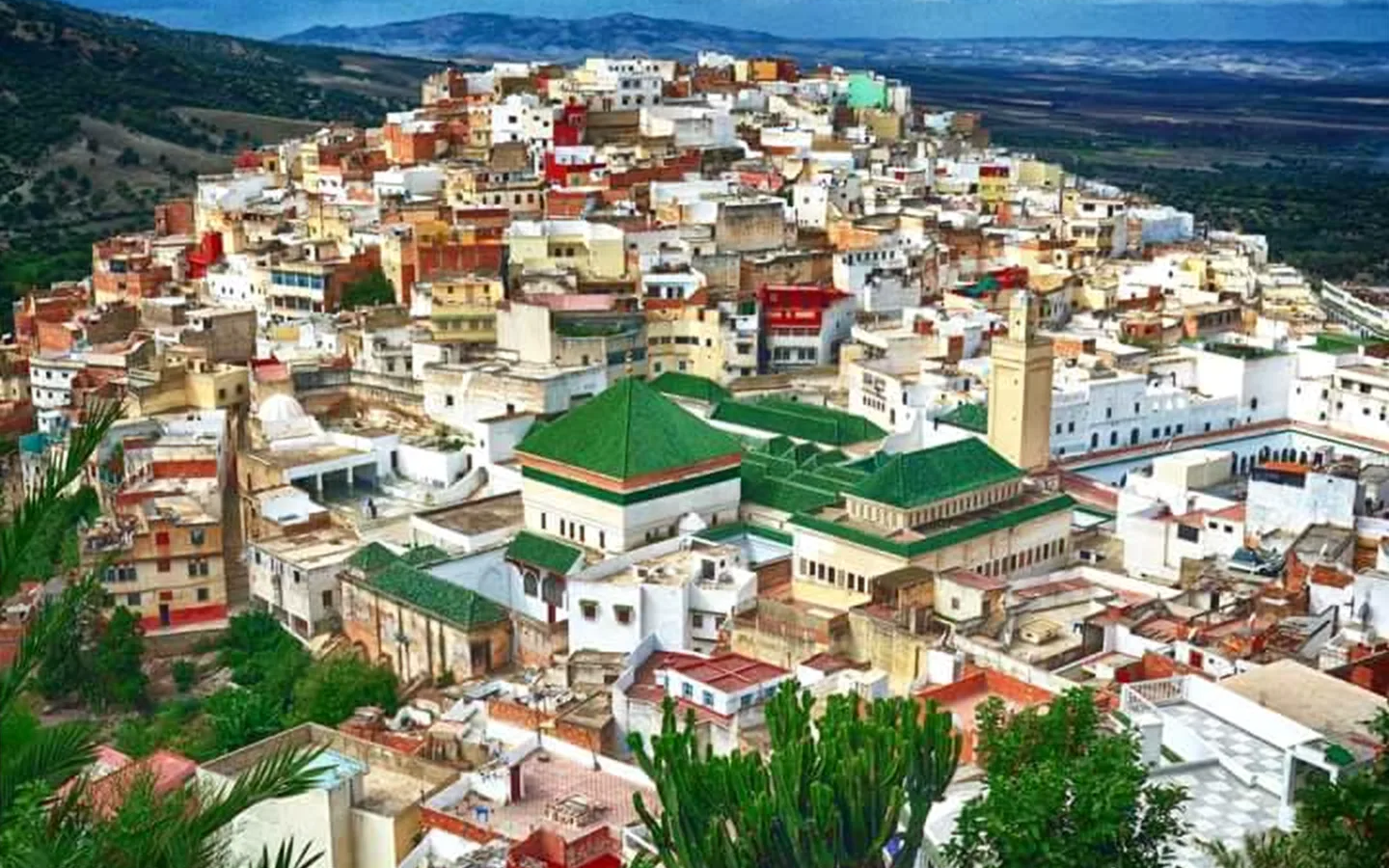
Morocco cultural tours are about slowing down in places where history is still part of daily life: the tanner in Fes working the same pits his grandfather did, the plaster carver chipping a pattern into fresh stucco, the call to prayer drifting over a medina that has barely changed its street plan in a thousand years.
We are a local team based in Marrakech with more than a decade of experience planning heritage trips around Morocco. On this page we explain which sites deserve your time, how to read the architecture once you are standing in front of it, why a licensed guide is worth having, and how to visit respectfully.
Morocco’s UNESCO medinas and heritage sites
Morocco has nine places on the UNESCO World Heritage list, and a well-planned cultural tour can take in most of them. These are the ones our guests rate most highly:
- Fes el-Bali – the old medina of Fes, founded in the late 8th and early 9th centuries, is one of the largest car-free urban areas in the world. It holds the Qarawiyyin mosque, the Chouara tannery and countless workshops. The UNESCO listing for the Medina of Fez gives the background.
- Marrakech medina – founded by the Almoravids in the 11th century, with the Koutoubia minaret, the Saadian Tombs and Jemaa el-Fna, the square of storytellers and food stalls that UNESCO also recognises for its intangible heritage.
- Meknes – the imperial capital of Sultan Moulay Ismail in the 17th century, famous for its monumental walls, granaries and the great gate of Bab Mansour.
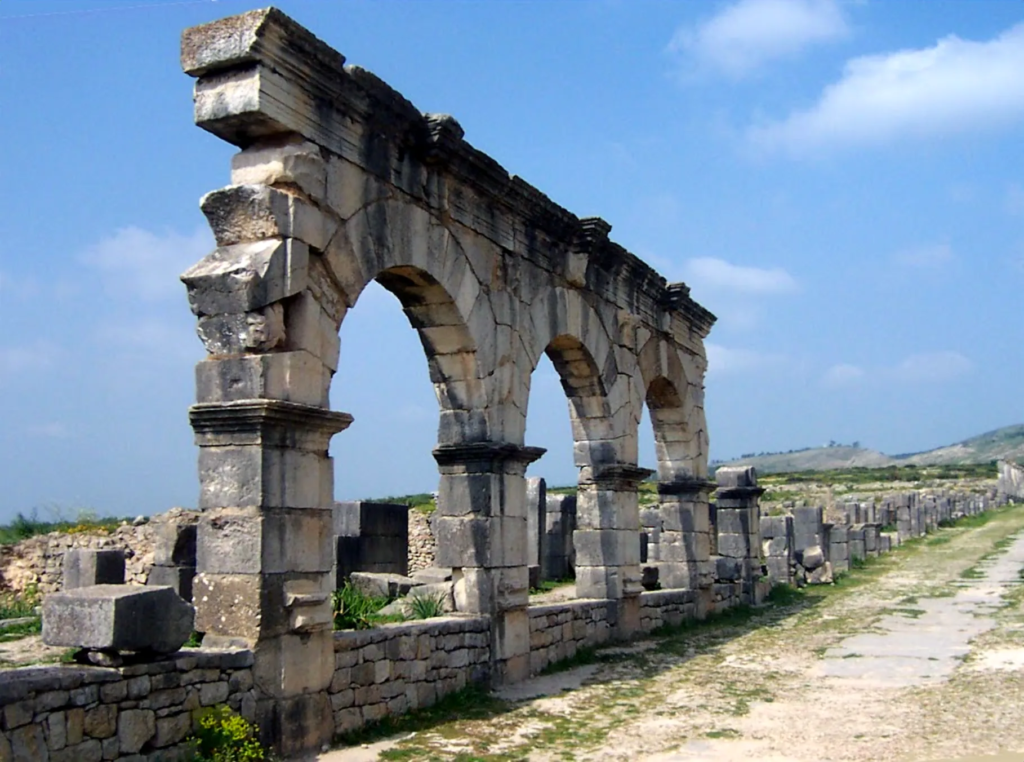
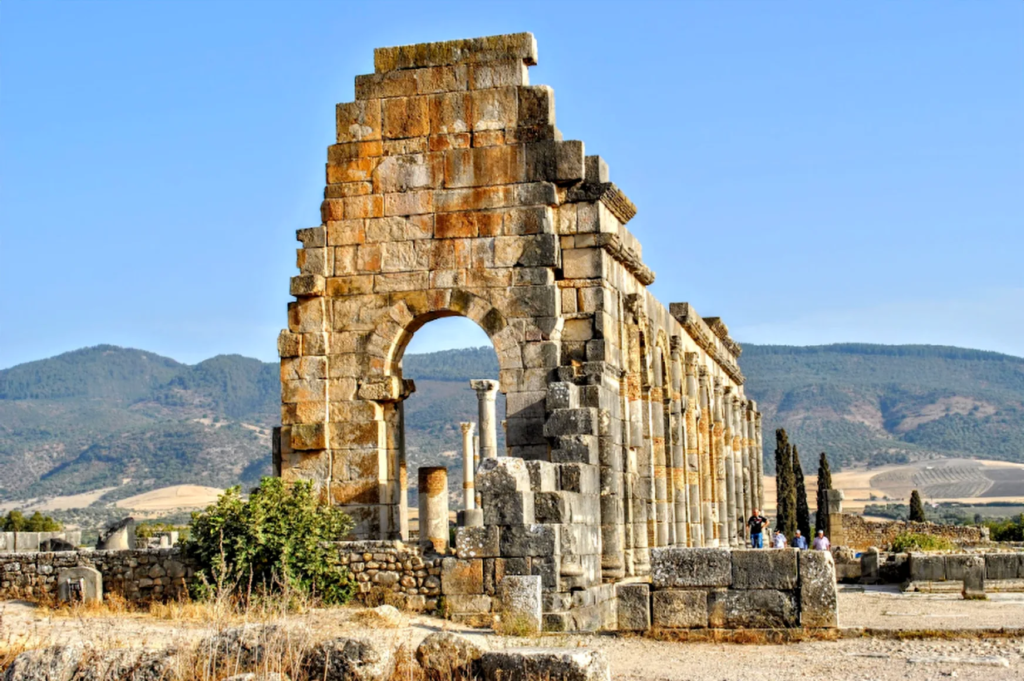
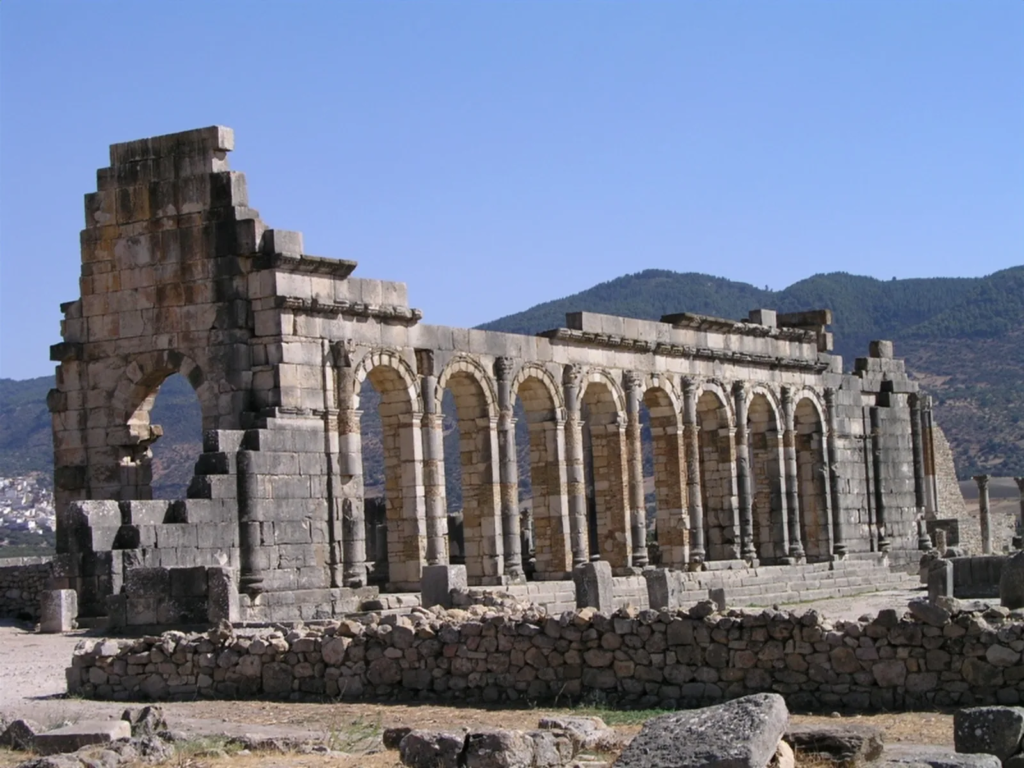
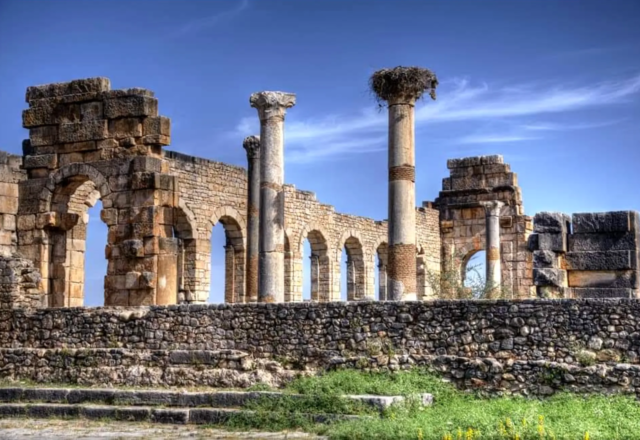
- Volubilis – the best-preserved Roman site in Morocco, set in rolling wheat fields below Moulay Idriss, with floor mosaics still in place, a basilica and a triumphal arch.
- Tétouan – a whitewashed medina in the north shaped by Andalusian refugees from Spain.
- Essaouira – an 18th-century fortified port laid out on a European grid, with sea ramparts, cannons and a relaxed medina full of woodworkers.
- Aït Benhaddou – a fortified earthen village on the old caravan route over the Atlas, and the finest example of southern mud-brick architecture. See the UNESCO page for Aït-Ben-Haddou.
Four of Morocco’s former capitals – Fes, Marrakech, Meknes and Rabat – form the classic imperial route, which we cover in depth in our guide to the imperial cities of Morocco.
Palaces, gates and royal Morocco
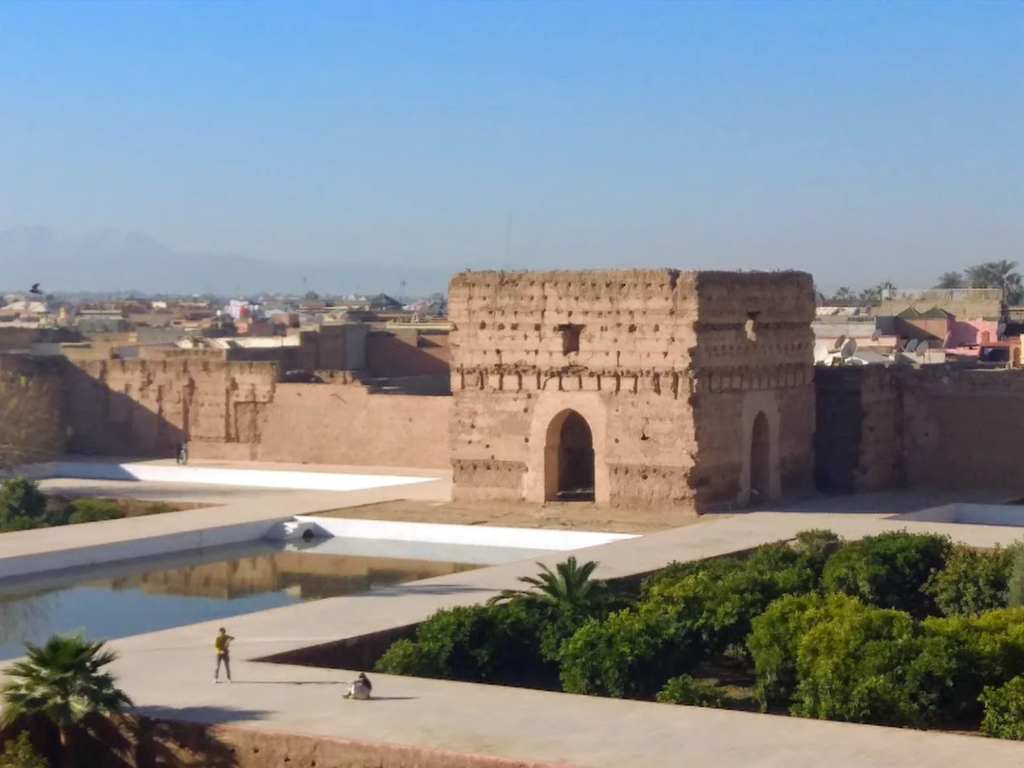
Morocco is still a monarchy, and many royal palaces remain in use, which means you admire some from outside and explore others in full. In Marrakech, the Bahia Palace was built in the late 19th century for the grand viziers of the day, and its painted ceilings and orange-tree courtyards show how the elite lived behind plain walls.
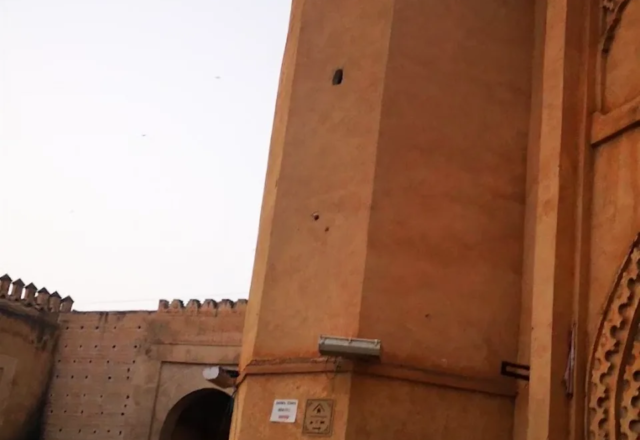
In Fes, the royal palace of Dar el-Makhzen is closed to visitors, but its monumental gates on Place des Alaouites are among the most photographed doorways in the country: seven brass doors framed by zellige tilework and carved cedar.
The great madrasas
Madrasas were residential colleges where students lived and studied the Quran and law, and they contain some of the finest decoration in Morocco. Three stand out:
Ben Youssef Madrasa, Marrakech
The largest in Morocco, rebuilt under the Saadians in the 16th century. Its courtyard and long reflecting pool are framed by carved stucco and cedar, with students’ cells around the upper galleries.
Bou Inania Madrasa, Fes
Built by the Marinid sultan Abu Inan in the mid-14th century, Bou Inania is unusual in that it also served as a congregational mosque. Visitors can admire its courtyard, onyx floor and wood-carved façades from the permitted areas, while the prayer hall remains reserved for worshippers.
Al-Attarine Madrasa, Fes
Smaller and more intimate, Al-Attarine sits beside the spice and perfume market from which it takes its name, a few steps from the Qarawiyyin. Many consider its decoration the most refined of all the Marinid madrasas.
Islamic architecture explained: zellige, stucco and cedar
Once you know the three main materials, Moroccan buildings become much easier to read. Most grand interiors are layered the same way, from floor to ceiling:
| Material | Where you see it | What to look for |
|---|---|---|
| Zellige | Floors, fountains and the lower part of walls | Small hand-cut pieces of glazed terracotta assembled into geometric stars and interlacing patterns; Fes remains the centre of the craft |
| Carved stucco (gebs) | Upper walls, arches and around doors | Plaster carved while still damp into calligraphy, floral motifs and honeycomb muqarnas vaults |
| Cedar wood | Ceilings, lintels, doors and screens | Middle Atlas cedar carved or painted in geometric designs, with mashrabiya lattice screens filtering light |
The absence of human and animal figures in religious buildings explains the reliance on geometry, plants and calligraphy. A good guide will point out how the patterns are built from simple grids,. If you want to see the craftsmen at work, the workshops of Fes are the place – our Fes activities page lists visits to tileworkers, weavers and the tanneries.
Why a licensed guide makes the difference
Morocco’s official guides are trained and licensed by the Ministry of Tourism and carry an identity badge. In Fes especially, where the medina has more than 9,000 lanes, a licensed guide saves hours of getting lost and adds the stories that buildings do not tell on their own. They also keep unofficial street “guides” at a distance.
On our cultural itineraries we book licensed local guides for the medinas of Fes, Marrakech and Meknes and for Volubilis, and brief them on your interests – if you prefer architecture to carpet shops, just say so. For more to do between visits, see our Marrakech activities.
Etiquette at mosques, shrines and in the medina
Visiting religious and historic sites respectfully
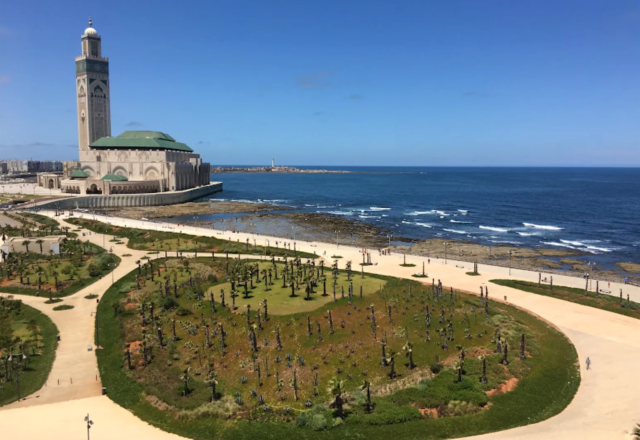
- Non-Muslims cannot enter most active mosques and shrines in Morocco. The big exception is the Hassan II Mosque in Casablanca, which runs guided tours for visitors outside prayer times.
- Madrasas such as Ben Youssef and Al-Attarine are open as monuments, so you can visit them freely during opening hours.
- Dress modestly, with shoulders and knees covered, for both men and women; our page on what to wear in Morocco has practical tips.
- Ask before photographing people, especially craftsmen and older women, and accept a polite no.
- During Ramadan, avoid eating, drinking or smoking openly in the street during daylight hours.
Our cultural and heritage tours
These itineraries are built around Morocco’s historic cities, with time for guided visits rather than quick photo stops. The 8-day imperial cities and Sahara tour links all four royal capitals with a night in the dunes, while the 15-day grand tour from Casablanca adds the north, the coast and the southern kasbahs at a slower pace.
 Private tour · 8 days · from Casablanca
8-Day Imperial Cities & Sahara Tour from Casablanca
- Private tour · 15 days · from Casablanca
15-Day Morocco Tour from Casablanca: Complete Grand Tour
- Private tour · 8 days
8-Day Morocco Tour from Fes
- Private tour · Day trip
Day Trip from Fes to Chefchaouen, the Blue City
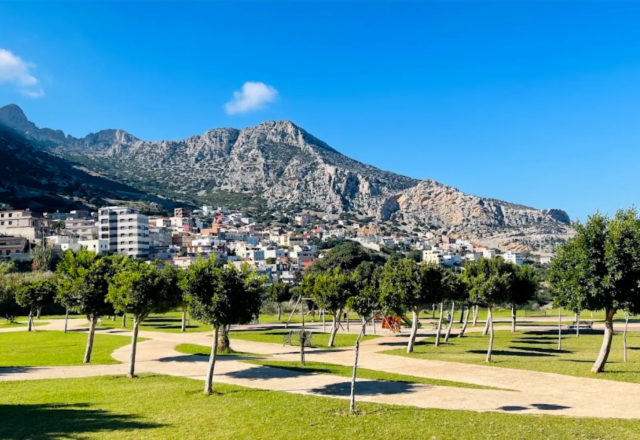
If you are short on time, the day trip from Fes to the blue town of Chefchaouen is an easy add-on – read our guide to things to do in Chefchaouen before you go. Every tour runs privately with your own driver and can be adjusted.
Morocco cultural tours FAQ
How many days do I need for a cultural tour of Morocco?
Eight days covers the four imperial cities with a night in the Sahara at a comfortable pace. With two weeks you can add Chefchaouen, Tétouan, Essaouira and the kasbahs of the south without rushing.
Can non-Muslims visit any mosques in Morocco?
Yes, the Hassan II Mosque in Casablanca offers guided tours for visitors of all faiths. Most other working mosques are closed to non-Muslims, but madrasas and many historic monuments are open.
Is Fes or Marrakech better for history?
Fes has the older and more intact medieval medina and the finest Marinid madrasas. Marrakech offers palaces, gardens and a livelier atmosphere. Most cultural itineraries include both.
Is a guide really necessary in the Fes medina?
For a first visit, yes. The lanes are confusing, many monuments are hard to find behind plain doors, and a licensed guide brings the history to life while keeping touts at a distance.
When is the best season for a heritage tour?
Spring (March to May) and autumn (September to November) are ideal, with comfortable temperatures for long walking days in the medinas.
Tell us which cities and sites interest you most and how many days you have, and we will send a free, tailor-made proposal with licensed guides and accommodation to match your style. Get in touch through our contact page, by email at nomalortravel@gmail.com or on WhatsApp at +212 673 55 54 08.