The Top Things to Do in Chefchaouen: Morocco’s Iconic Blue Pearl
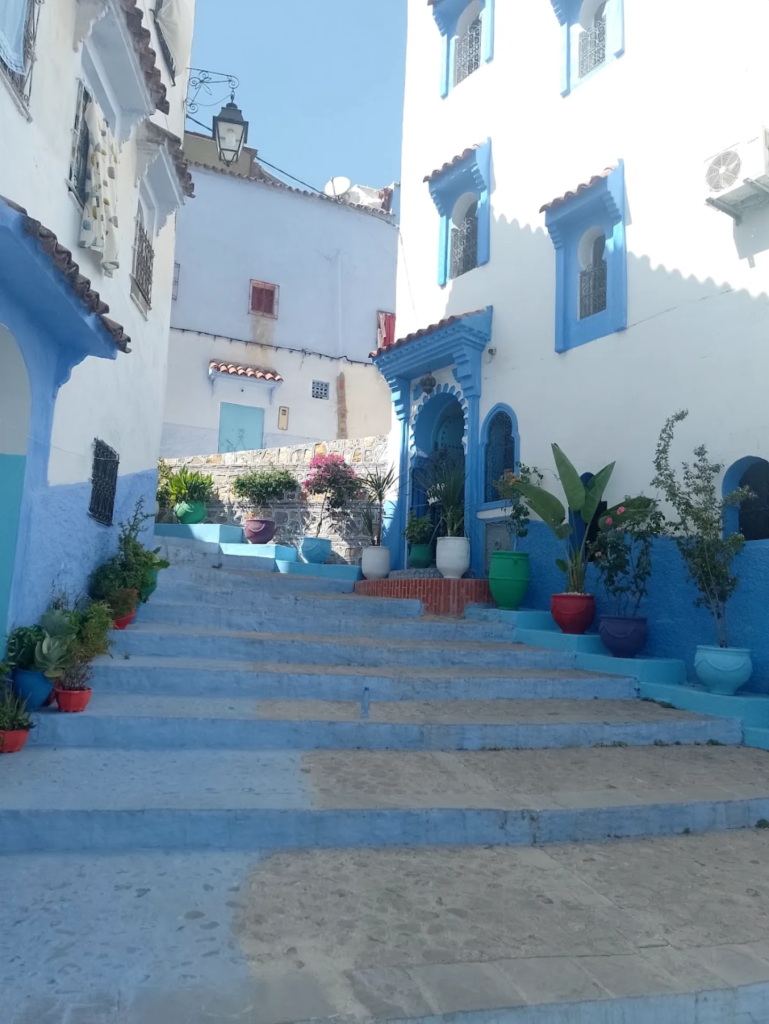
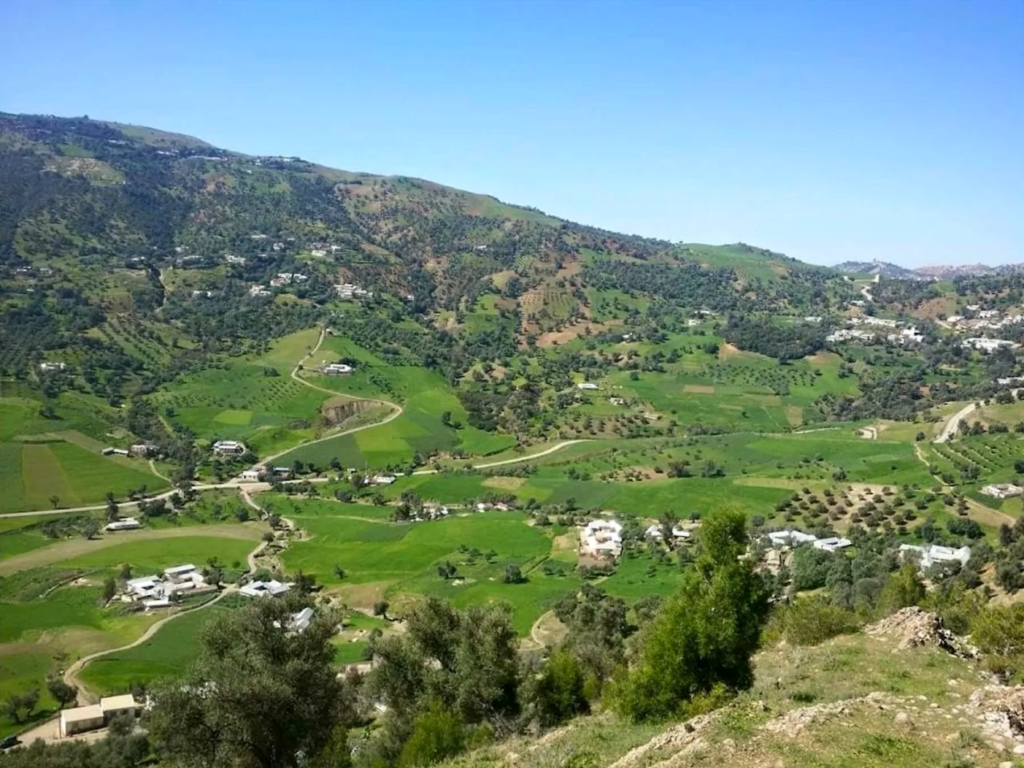
The first time most travellers walk through Bab el-Ain, they stop dead. The walls are blue, the steps are blue, the doors are a darker blue, and somewhere above you a woman is repainting her doorframe with a bucket of indigo wash. Chefchaouen sits at about 600 metres in the Rif Mountains, under the twin peaks that gave the town its name (“look at the horns” in local Amazigh), and it is far quieter than Fes or Marrakech. The best things to do in Chefchaouen are mostly simple ones: walking, eating, climbing a hill for the light, and sitting still long enough to notice the place.
We send travellers here every week of the year, and the honest feedback is consistent. One night is too short. Two nights is right for most people. Three if you want to hike.
In short
The top things to do in Chefchaouen are wandering the blue medina early in the morning, watching sunset from the Spanish Mosque, visiting the Kasbah on Place Outa el-Hammam, cooling off at Ras El Maa, and taking a day trip to the Akchour Waterfalls and God’s Bridge. Allow two nights. The town is 3.5–4 hours by road from Fes and 2.5–3 hours from Tangier.
Top 10 things to do in Chefchaouen
1. Explore the blue medina before the crowds arrive
The medina was founded in 1471 by Moulay Ali Ben Rachid as a fortress against Portuguese raids, and later sheltered Andalusian Muslims and Jews expelled from Spain. Nobody agrees on exactly why it is painted blue: some credit the Jewish community of the 1930s, others say it keeps mosquitoes away or the houses cool.
Go out between 7 and 9am. The alleys around Rue Targui and the stepped lanes above Plaza el-Makhzen are empty, the light is soft, and the only sound is bakers carrying trays of bread to the communal oven. By 11am the day-trippers from Fes and Tangier arrive and the famous photo spots get queues. Get lost on purpose; the medina is small enough that walking downhill always brings you back to Outa el-Hammam or the main road.
2. Hike to the Spanish Mosque for sunset
The Spanish Mosque was built by the Spanish administration in the 1920s on a hill east of town and never really used for prayer. Today it is the classic sunset viewpoint. From Bab Onsar, cross the little bridge by Ras El Maa and follow the dirt path uphill; it takes 20–30 minutes at an easy pace and is steep in places, so wear proper shoes rather than sandals.
Arrive 45 minutes before sunset to get a spot on the low wall. The whole medina turns from blue to violet as the call to prayer drifts up from the valley. Bring a torch or phone light for the walk down, and a layer: even in May the wind on that ridge is cool.
3. Place Outa el-Hammam and the Kasbah
The main square is the social centre of Chefchaouen, shaded by mulberry trees and lined with cafés where you pay a little more for the view. On one side is the red-walled Kasbah, built in the 15th century, with a garden, a small ethnographic museum and an old prison. Climb the tower for a view across the rooftops to the Great Mosque with its unusual octagonal minaret. Entry is a modest fee of roughly 20–60 MAD (about €2–6), payable at the gate; opening hours shift around prayer times and Friday, so go mid-morning.
The square is also where you will be offered hashish, often quietly, sometimes persistently. Cannabis cultivation for medical and industrial use was legalised in 2021, but recreational use and possession remain illegal for visitors. A polite “la, shukran” and walking on is enough.
4. Ras El Maa: the spring and the washing pools
Just outside Bab Onsar, the Ras El Maa spring tumbles down from the mountain into a stream with small cascades. Women still wash clothes and carpets in the stone basins here, and there is a cluster of simple cafés where you can sit with your feet near the water and a mint tea for around 10–15 MAD. Please do not photograph the women doing their washing without asking; most will say no.
5. Day trip to the Akchour Waterfalls and God’s Bridge
If you have one full day spare, spend it at Akchour, about 45 minutes by road from Chefchaouen on the edge of Talassemtane National Park. A grand taxi there and back costs roughly 400–500 MAD (about €37–46) for the car, shared between up to six people, or you can join a minibus from the main square in summer.
From the trailhead by the dam, two routes split. The left fork follows the river to the main waterfalls, around 2.5–3 hours each way with some wading and scrambling. The right fork climbs to God’s Bridge (Pont de Dieu), a natural rock arch about 25 metres above the river, roughly 1.5 hours each way. Fit walkers can do both in a long day. The water is icy even in August, which is exactly what you want in summer. Avoid weekends from June to September if you can; it gets crowded with families from Tetouan and Tangier.
Akchour tips from our guides
- Wear shoes that can get wet. Trainers or sport sandals with grip, not flip-flops.
- Start by 9am to beat the heat and the crowds.
- Small cafés along the trail sell tagine, fresh orange juice and water, but bring cash.
- Do not attempt the river route after heavy rain (usually November to March). Flash flooding is real.
6. Taste the local goat cheese
The Rif is goat country, and Chefchaouen is known across Morocco for its fresh goat cheese. Look for women from the mountain villages in their striped red-and-white mendil cloths and straw hats sitting near the market, selling soft white rounds wrapped in palm leaves. Expect to pay roughly 20–40 MAD for a small cheese. Eat it with bread, olive oil and honey for breakfast, or order it in a salad at one of the restaurants around the square. Our guide to Moroccan food covers other regional dishes worth seeking out.
7. Watch the weavers at work
Chefchaouen has a long weaving tradition, and you can still hear the clack of wooden looms in small workshops around the medina. Weavers produce wool blankets, throws and the striped mendil cloth, and most are happy for you to step in and watch. Prices for a blanket start around 250 MAD for small pieces and climb well past 1,000 MAD for large, tightly woven work. Shopping here is generally more relaxed than in Fes, but bargaining is still expected; our piece on how to bargain in Moroccan souks will help.
8. Hike Jebel El Kelaa
For a proper mountain day, Jebel El Kelaa (about 1,600 m) rises directly behind the town. The trail starts above the Spanish Mosque and climbs through pine and cedar forest, past small farms, to a summit with views over the Rif and, on clear winter days, towards the Mediterranean coast. Allow 5–6 hours return, with roughly 1,000 metres of ascent.
The path is not always obvious near the top, and fog can roll in quickly between November and March. We recommend going with a local mountain guide (around 300–500 MAD for the day) rather than alone. Spring, from late March to May, is the best season, when the slopes are green and full of wildflowers.
9. Linger in a rooftop café
Some of the best hours in Chefchaouen are spent doing nothing on a roof terrace. Several restaurants around Outa el-Hammam and up towards the Kasbah have terraces looking over the medina and the mountain. Food is simple and fairly priced: a tagine runs roughly 60–100 MAD (€6–9), a fresh juice 15–25 MAD. Alcohol is hard to find in the medina; a handful of hotels outside the walls serve it.
10. Photograph the town respectfully
Chefchaouen is one of the most photographed towns in North Africa, and residents have mixed feelings about it. Some families have put up signs asking people not to sit on their doorsteps or pose against their front doors.
We usually tell our travellers three things: ask before photographing any person, especially women and older people; do not block lanes with tripods; and never step onto a private doorstep for a shot. A smile and a “wakha?” (okay?) with a gesture to the camera goes a long way.
Getting to Chefchaouen from Fes and Tangier
Chefchaouen has no train station and no airport. Everyone arrives by road, and the final stretch is a winding mountain drive. Here is how the main options compare.
| Route | Option | Travel time | Approx. cost |
|---|---|---|---|
| Fes to Chefchaouen | CTM bus | 3.5–4.5 h | 80–100 MAD per person |
| Fes to Chefchaouen | Private driver | 3.5–4 h | 1,000–1,500 MAD per car |
| Tangier to Chefchaouen | CTM bus | 2.5–3.5 h | 50–70 MAD per person |
| Tangier to Chefchaouen | Private driver | 2.5–3 h | 800–1,200 MAD per car |
Prices are approximate and change with the season. Book CTM buses online a few days ahead in summer and around Moroccan holidays, as the Chefchaouen services are limited and fill up. The bus station sits below the medina; it is a 15–20 minute uphill walk or a short petit taxi ride (around 10–15 MAD) to Bab el-Ain.
From Fes
Fes is the most common starting point. The road runs north through Ouazzane and is slow in places, with lorries on the mountain bends. If time is short, our Fes to Chefchaouen day trip takes care of the driving and gives you around four to five hours in the blue city. If you can spare it, staying overnight is far better, because you see the medina early and late when it is at its most beautiful.
From Tangier
Tangier is closer, and the drive via Tetouan is scenic once you climb into the Rif. If you are arriving by ferry from Spain or by Al Boraq high-speed train from Casablanca or Rabat, Tangier makes a natural gateway. Browse our tours from Tangier, or take our 8-day tour from Tangier, which includes Chefchaouen, Fes and the Sahara in one loop.
When to go
- April to June and September to October are ideal: warm days, cool nights, green hills.
- July and August are hot in the afternoons and busy with domestic tourists, though Akchour is at its best.
- December to February is cold and wet, sometimes with snow on the peaks. Riads can be chilly, so ask about heating.
See our full guide to the best time to visit Morocco.
Practical tips for your stay
- Where to sleep: stay inside the medina, ideally near Outa el-Hammam or Bab Souk. Riads here are smaller and simpler than in Marrakech, from roughly 400 MAD a night for a decent double. Luggage means stairs, so pack light.
- Money: there are ATMs on Avenue Hassan II just outside the medina walls, but carry cash for the hills and Akchour.
- Dress: Chefchaouen is a conservative mountain town. Covered shoulders and knees are appreciated; see what to wear in Morocco.
- Safety: it is one of the most relaxed towns in the country. Persistent hashish offers are the main annoyance. The UK foreign travel advice for Morocco is a useful up-to-date reference.
One last thing. A couple from Lyon we drove up from Fes last spring planned a single night and ended up staying four. They spent the extra days doing exactly what this list suggests: early walks, Akchour, long lunches, the Spanish Mosque every evening. Chefchaouen rewards slowness more than anywhere else in Morocco.
Frequently asked questions
How many days do you need in Chefchaouen?
Two nights is ideal for most travellers. That gives you a full day for the medina and Spanish Mosque, and time for either Akchour Waterfalls or a hike. One night works if you are short of time; three suits keen walkers.
Is a day trip from Fes to Chefchaouen worth it?
Yes, if it is your only option, but expect seven to eight hours of driving in total. An overnight stay lets you see the blue lanes in the quiet early morning and evening light, which is when the town is at its best.
Why is Chefchaouen painted blue?
There is no single confirmed reason. Popular explanations include the influence of the Jewish community in the 1930s, keeping mosquitoes away, and keeping houses cool. Today residents repaint regularly, partly out of tradition and partly because visitors love it.
How do I get from Tangier to Chefchaouen?
CTM buses run daily and take around 2.5–3.5 hours for roughly 50–70 MAD. A private driver takes 2.5–3 hours and lets you stop in Tetouan on the way.
Is Chefchaouen safe for tourists?
Chefchaouen is generally very safe and one of Morocco’s calmest towns. The main hassle is being offered hashish; decline politely and keep walking. Take normal care with valuables on crowded weekends.
Can you swim at Akchour Waterfalls?
Yes, in the natural pools below the falls, mostly from June to September. The water is very cold all year, and you should avoid the river trail after heavy rain.
Ready to see the blue city for yourself? We can build Chefchaouen into a longer route through the north and the Sahara, or simply arrange your transfer and riad. Explore our tailor-made trips or contact our team in Marrakech and we will plan it with you.