The Best Time to Visit Morocco: Season-by-Season Weather Guide
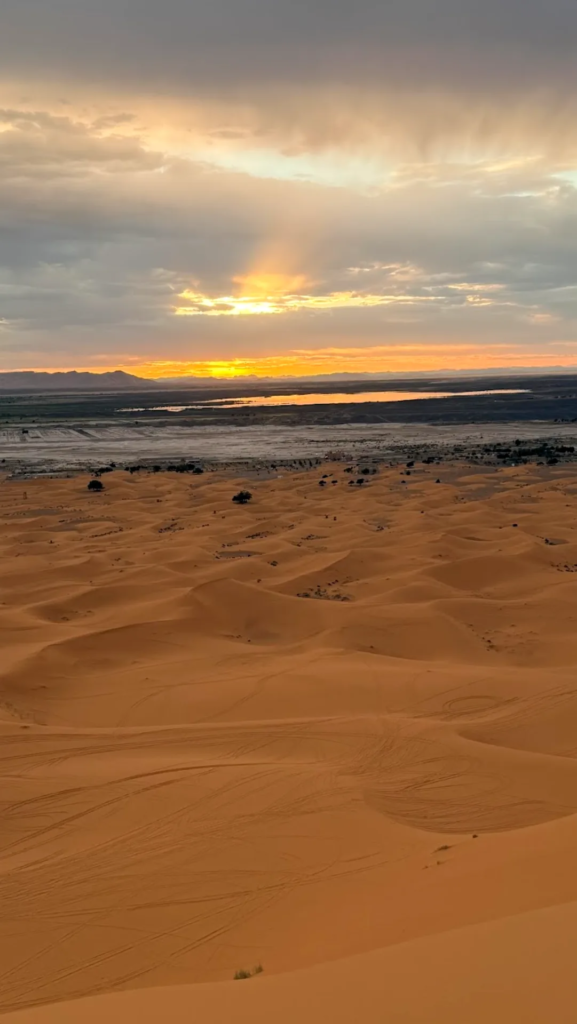
Ask anyone in our Marrakech office about the best time to visit Morocco and you will get the same first answer: it depends where you are going. A country stretching from the Mediterranean to the Sahara, with peaks above 4,000 metres in between, has at least five climates. On the same April afternoon you can be sunbathing on a rooftop in Marrakech, shivering in a wind-whipped café in Essaouira and watching snow on the ridges above Imlil.
That variety is the good news. There is no month when the whole of Morocco is a bad idea, only months when certain places are better left for later. This guide walks through each season, the regional quirks we plan around for our own travellers, and the festivals worth building a trip around.
Quick answer
The best time to visit Morocco for most travellers is spring (March to May) or autumn (September to November). Days are warm but not punishing in Marrakech and Fes, Sahara nights are cool rather than freezing, and the mountain passes are open. Summer suits the Atlantic coast; winter suits budget travellers, surfers and anyone happy to pack a down jacket for desert nights.
Spring in Morocco (March–May)
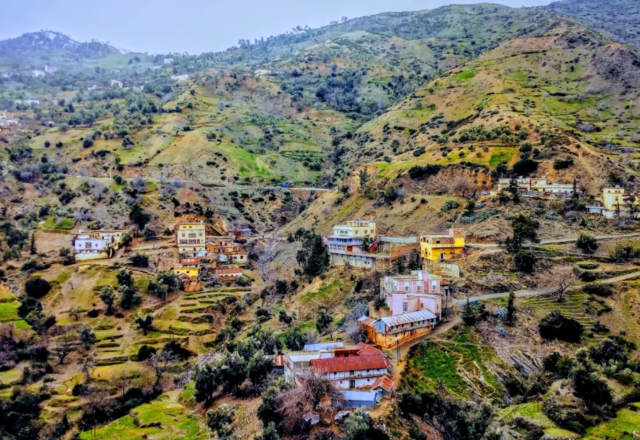
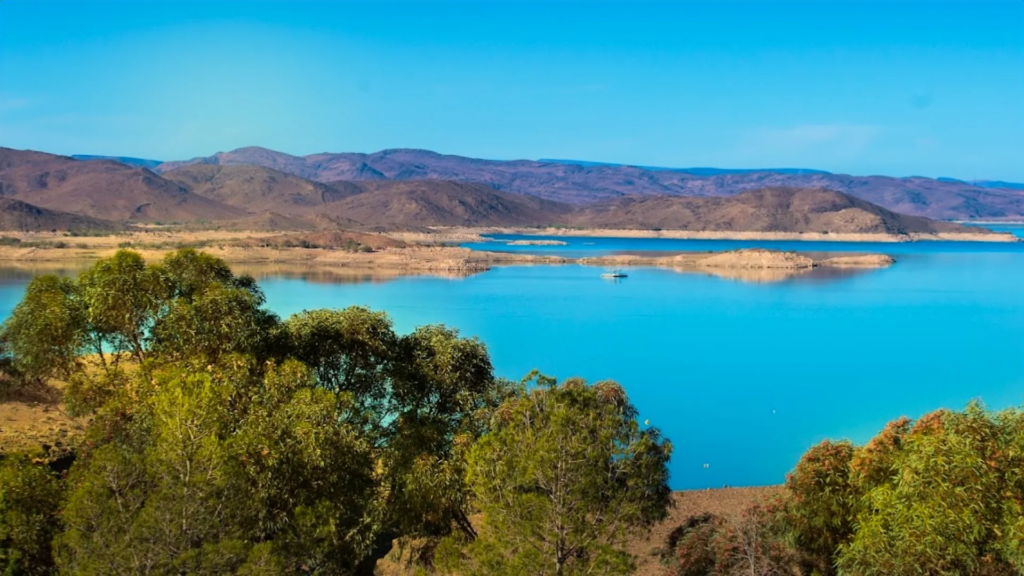
Spring is the season we would pick if a friend could only come once. Marrakech sits in the mid-20s °C (mid-70s °F) by day, the orange trees along Avenue Mohammed V are in blossom, and the Ourika and Dades valleys turn a startling green after the winter rains. In the Rif, the hillsides around Chefchaouen are full of wildflowers.
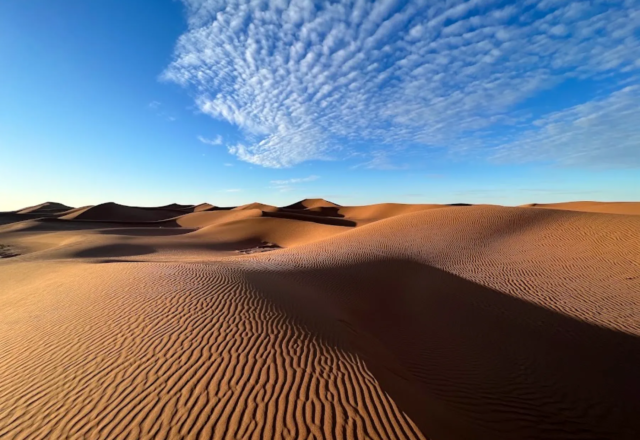
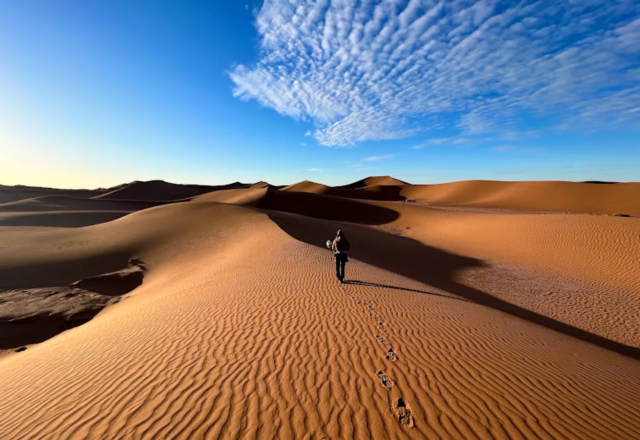
The Sahara is at its most comfortable in March and April. Expect around 25–30°C (77–86°F) during the day in Merzouga and 10–15°C (50–59°F) after dark, which makes a night in a camp genuinely pleasant rather than an endurance test. It is the classic window for a 3-day Marrakech to Merzouga desert tour.
The downsides are real, though. Spring is high season, and Easter in particular fills riads in Marrakech and Fes. A mid-range riad that asks roughly 700 MAD (about €65 / US$75) a night in January can easily ask 1,100 MAD or more over the Easter holidays. Spring is also when the desert winds pick up; a day of sandstorm in Merzouga is not rare in March and April, and it can blank out the sunset you drove nine or ten hours to see. By late May, Marrakech is already touching 32–35°C (90–95°F).
Autumn in Morocco (September–November)
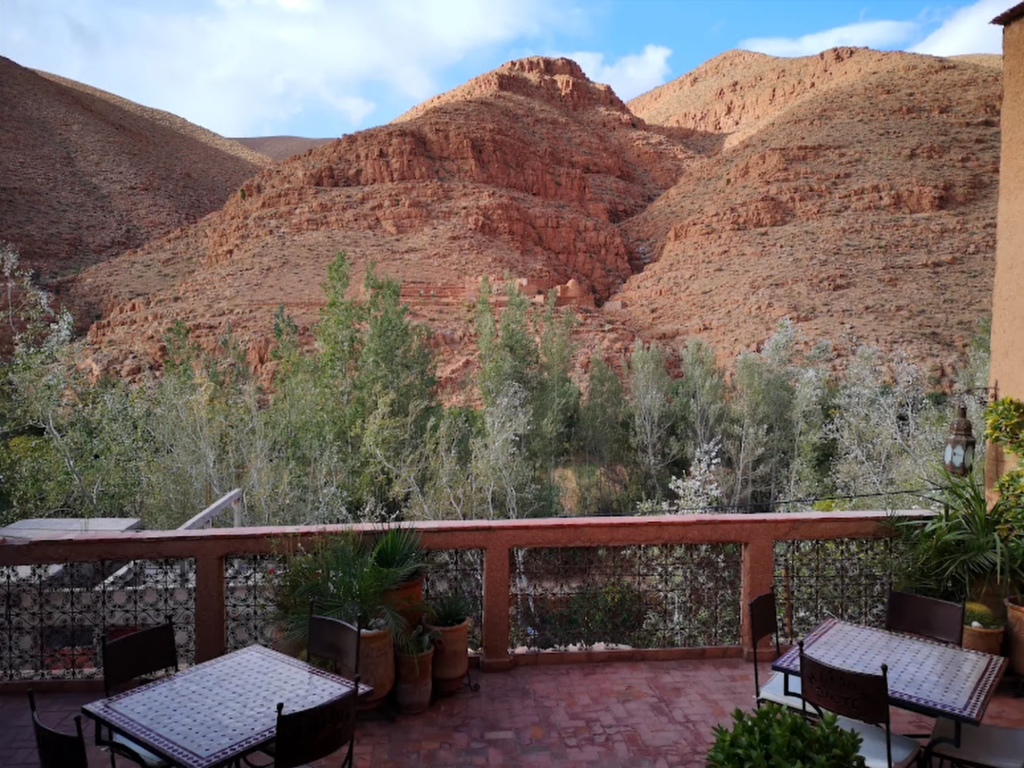
Autumn is spring’s quieter twin, and some of our guides prefer it. The sea off Essaouira and Agadir is at its warmest after a summer of sun, the heat breaks inland by late September, and the light in the Atlas takes on that low, golden quality photographers chase.
September can still be hot in Marrakech and Fes, often 32°C (90°F) or more, and the desert does not really cool down until October. October and early November are ideal for the Sahara: clear skies, warm days around 25°C (77°F), and nights that need a jumper but not a sleeping bag rated for frost. This is also date harvest season around Erfoud and Rissani, so the palm groves are busy and the markets are piled with fresh fruit.
Late autumn is also prime trekking time. The things you should know about trekking in Morocco apply doubly here, because the first snow can arrive on Toubkal in November and turn a straightforward walk into a winter climb. Crowds are lighter than in spring outside the October half-term week, when European families arrive in numbers.
Summer in Morocco (June–August)
We will be honest: inland Morocco in July and August is hot. Marrakech regularly sits at 37–40°C (99–104°F) and can go well beyond during a chergui, the dry wind that blows in from the Sahara. Fes is not much cooler. Merzouga can pass 45°C (113°F), and walking barefoot on the dunes at midday is a mistake you only make once.
That does not make summer a write-off. The Atlantic coast is where Moroccans themselves go, and for good reason. Essaouira rarely climbs above the mid-20s °C (mid-70s °F) thanks to the trade winds, and Agadir and Taghazout stay in the high 20s. The High Atlas is pleasant too; Imlil, at around 1,740 metres, is a cool escape from Marrakech, and June is the best month to summit Toubkal without snow gear.
If you do head inland, change the rhythm of the day. Our drivers start at 7am, stop for long lunches in shade, and reach the desert camp for the late-afternoon camel ride when the sand has started to cool. July and August are also when Moroccans living abroad come home, so beach towns get busy and coastal prices rise.
Winter in Morocco (December–February)
Winter is the most misunderstood season. Marrakech is often sunny and around 18–20°C (64–68°F) at midday, which is perfect for walking the medina, but evenings drop to 5–7°C (41–45°F) and riads are built to stay cool, not warm. Ask whether your room has heating before you book; a good riad will have it, and some still light a fire in the salon.
The Sahara in winter is beautiful and cold. Daytime temperatures of 15–20°C (59–68°F) collapse to around freezing at night in December and January. The camps hand out heavy blankets and the better ones have heated tents, but you will want a hat and thermal layers. Check our guide to what to wear in Morocco before you pack.
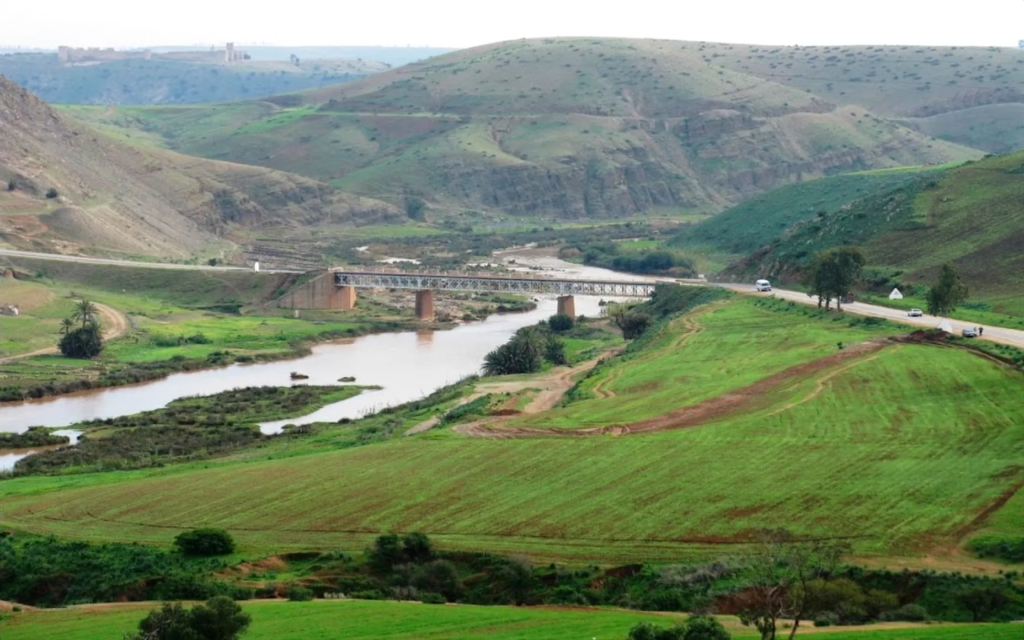
Snow is the other factor. The Tizi n’Tichka pass at 2,260 metres can close for a few hours or a day after heavy snowfall, which affects the road from Marrakech to Ouarzazate and the desert. Fes and Chefchaouen get most of their annual rain in winter, so expect grey days and slippery medina steps. The upside: outside Christmas and New Year, winter is the cheapest and least crowded time to travel.
Special considerations
Travelling during Ramadan in 2027
In 2027, Ramadan is expected to begin around 8 February and end around 9 March, with Eid al-Fitr following immediately after. The exact dates depend on the sighting of the moon, so treat them as approximate until a few days beforehand.
Travelling during Ramadan is perfectly possible and, for many of our guests, a highlight. Restaurants and cafés aimed at visitors in Marrakech, Fes and the coastal towns generally stay open in the daytime, though smaller local places close until sunset. Opening hours for shops, museums and offices shorten, and the hour before iftar, the meal that breaks the fast, is a poor time to be on the road because everyone is rushing home. After dark, the medinas come alive with families out late, harira soup on every table and sweets like chebakia stacked in the stalls.
A few practical points. Eat and drink discreetly in public during daylight hours. Alcohol is harder to find. And note that Morocco usually switches its clocks back by one hour for Ramadan, then forward again afterwards, which catches out travellers with tight flight or train connections every year.
Desert temperature swings
The single fact that surprises our travellers most is how quickly the Sahara cools once the sun goes down. A 20°C (36°F) drop between afternoon and the small hours is normal in any season. Even in May you will want a fleece around the fire, and in January the water bottle in your tent may be close to frozen by morning.
If you are weighing up the big dunes of Erg Chebbi against the closer Agafay Desert, around 45 minutes from Marrakech, our Merzouga vs Agafay desert comparison covers how the seasons affect each. For longer routes through the dunes, see our full range of Morocco desert tours.
Coastal surf seasons
Morocco’s Atlantic surf runs on a different calendar to its sightseeing. The best swells hit Taghazout, Tamraght and the points north of Agadir from roughly October to April, with the biggest, most consistent waves in the depths of winter. Anchor Point and Killer Point are for experienced surfers in those months; beginners do better at Banana Beach or Imsouane’s long, slow right-hander.
Summer brings smaller, friendlier waves that suit lessons. Essaouira is a different story: the strong trade winds from roughly April to September make it one of Africa’s best-known kitesurfing and windsurfing spots, but not much of a place for sunbathing. The water stays cool all year, around 17–22°C (63–72°F), so plan on a wetsuit in every season. Our surf and Sahara guide shows how to combine both on one trip.
Festivals worth planning around
Morocco’s festival calendar is a good reason to pin down your dates. Most of these follow the harvest or a long tradition rather than a fixed day, so confirm the year’s programme on the official Visit Morocco portal before booking.
- Rose Festival, Kelaat M’Gouna (usually early to mid-May): The town in the Dades valley, about 90 km east of Ouarzazate, celebrates the Damask rose harvest with parades, music and stalls selling rose water by the litre for a few dirhams. Go early in the morning to watch the picking.
- Fes Festival of World Sacred Music (usually late May or June): Concerts at Bab Makina and in the Batha garden bring together Sufi ensembles, gospel choirs and musicians from across the world. Rooms in the medina sell out, so book well ahead.
- Gnaoua and World Music Festival, Essaouira (usually late June): Free open-air stages on Place Moulay Hassan and along the beach, with Gnaoua masters playing alongside jazz and African artists. The town of roughly 80,000 swells for four days; expect rooms to cost double. The walled medina itself is a UNESCO World Heritage Site.
- Date Festival, Erfoud (usually October): Held at the end of the date harvest, around an hour’s drive from Merzouga, with markets, folk music and tastings of dozens of varieties, from the prized mejhoul to humble bouffegous.
- Imilchil Marriage Festival (usually September): A gathering of Ait Haddidou Amazigh families high in the eastern Atlas. Remote and worth the effort.
Best time to visit Morocco by region
Here is the cheat sheet we share with travellers when they first get in touch. Temperatures are approximate and cover typical winter night lows to summer daytime highs.
| Region | Best Months | Avg Temp Range (°C / °F) | Weather Highlights |
|---|---|---|---|
| Marrakech | March–May, October–November | 6–37°C / 43–99°F | Sunny most of the year; very hot July–August, chilly winter nights |
| Fes | April–May, September–October | 4–35°C / 39–95°F | Wet, cool winters; hot summers in the medina |
| Sahara / Merzouga | March–April, October–November | 0–45°C / 32–113°F | Huge day-night swings; spring sandstorms; scorching summer days |
| High Atlas (Imlil, Toubkal) | May–June, September–October | -5–28°C / 23–82°F | Snow on high ground roughly November–April; Tichka pass can close briefly |
| Atlantic coast / Essaouira | April–October | 10–24°C / 50–75°F | Mild all year; strong trade winds in summer, ideal for kitesurfing |
| Agadir / Taghazout | October–April (surf), all year (sun) | 8–28°C / 46–82°F | Reliable sunshine; best swells in winter, gentle waves in summer |
| Chefchaouen / Rif | April–June, September–October | 4–31°C / 39–88°F | Green, flowering spring; rainy winters with snow on the peaks |
Most first-time visitors combine two or three of these regions, which is where timing gets interesting. A route like our 7-day Morocco itinerary works best in spring or autumn because it crosses the Atlas, the desert and an imperial city. If your dates are fixed, we can shuffle the order on a tailor-made trip so you hit the desert on the coolest days and the coast when it is hottest inland.
Our seasonal tips
- Book Easter, Christmas and late June in Essaouira at least three months ahead.
- Pack layers in every season; mornings and evenings are always cooler than you expect.
- In winter, plan a buffer day on any route crossing the Tizi n’Tichka.
- Check current travel advice, such as the UK Foreign Office page for Morocco, before you go.
Frequently asked questions
What is the best month to visit Morocco?
April and October are the safest bets. Both offer warm days in Marrakech and Fes, comfortable desert nights and open mountain roads. May and November come a close second.
Is it too hot to visit Morocco in summer?
Inland cities and the Sahara are very hot in July and August, often above 40°C (104°F). The Atlantic coast and the High Atlas stay comfortable, so summer works if you build your trip around them and keep desert visits short.
How cold is the Sahara Desert at night?
In December and January, nights in Merzouga can fall to around 0°C (32°F). In spring and autumn they are typically 10–15°C (50–59°F). Even in summer the temperature drops sharply after sunset.
Is it a good idea to visit Morocco during Ramadan?
Yes, with a little flexibility. Tourist restaurants stay open, sights remain accessible, and evenings are festive. Expect shorter opening hours, quieter afternoons and limited alcohol. In 2027 Ramadan is expected to run from about 8 February to 9 March.
When is the best time to surf in Morocco?
October to April brings the strongest, most consistent swells to Taghazout and the coast north of Agadir. Summer waves are smaller and better suited to beginners.
Does it snow in Morocco?
Yes. The High Atlas and the Rif get regular snow in winter, and Toubkal is usually snow-covered from around November to April. Oukaimeden, about 75 km from Marrakech, even runs a small ski area when conditions allow.
Every season in Morocco has something going for it; the trick is matching the route to the calendar. Tell us when you can travel and what you want to see, and our Marrakech team will suggest the right order for your days. Get in touch with us to start planning.