How Expensive Is Morocco to Visit? Realistic Travel Budget Breakdown
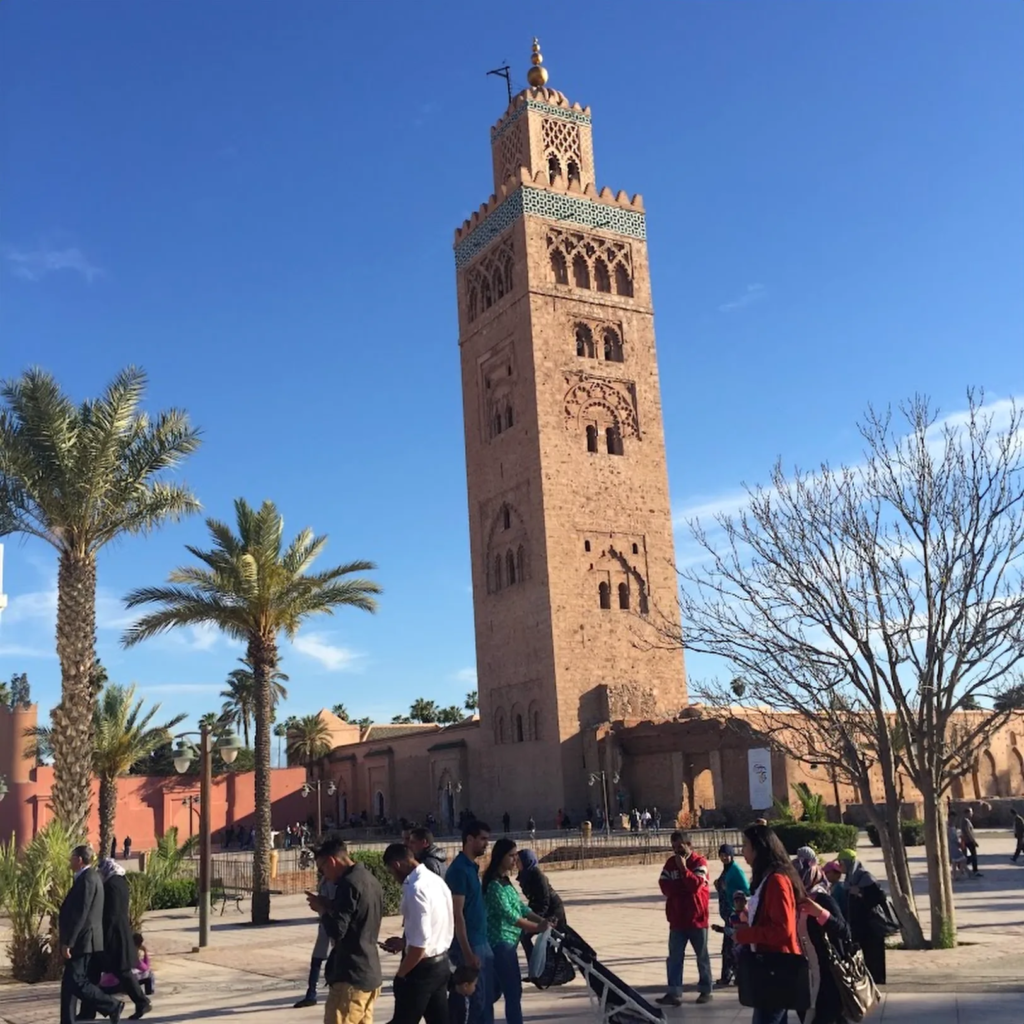
A traveller once sat down in our Marrakech office, slid a printout across the desk and asked, a little nervously, how expensive Morocco really is. She had read one blog promising the whole country for $20 a day and another quoting $400 a night for a riad. Both were true, in a way. Morocco can be one of the cheapest trips you take from Europe or North America, or a very expensive one, and the gap between the two is wider than in most countries.
We have spent years pricing tours, haggling over taxi fares and eating in everything from roadside grills to palace restaurants. Below is what things actually cost on the ground in 2026, in dirhams first, with rough dollar and euro equivalents. All prices are approximate and move with the season, the city and how good you are at saying no politely.
Quick answer
Morocco is moderately cheap by Western standards. Budget travellers manage on about $35–$50 (roughly 330–480 MAD) a day, mid-range travellers spend $90–$180 (about 850–1,700 MAD), and luxury trips start around $350 (3,300 MAD) a day and climb fast. Accommodation and guided excursions are the big variables. Food and local transport stay cheap.
A quick word on the dirham
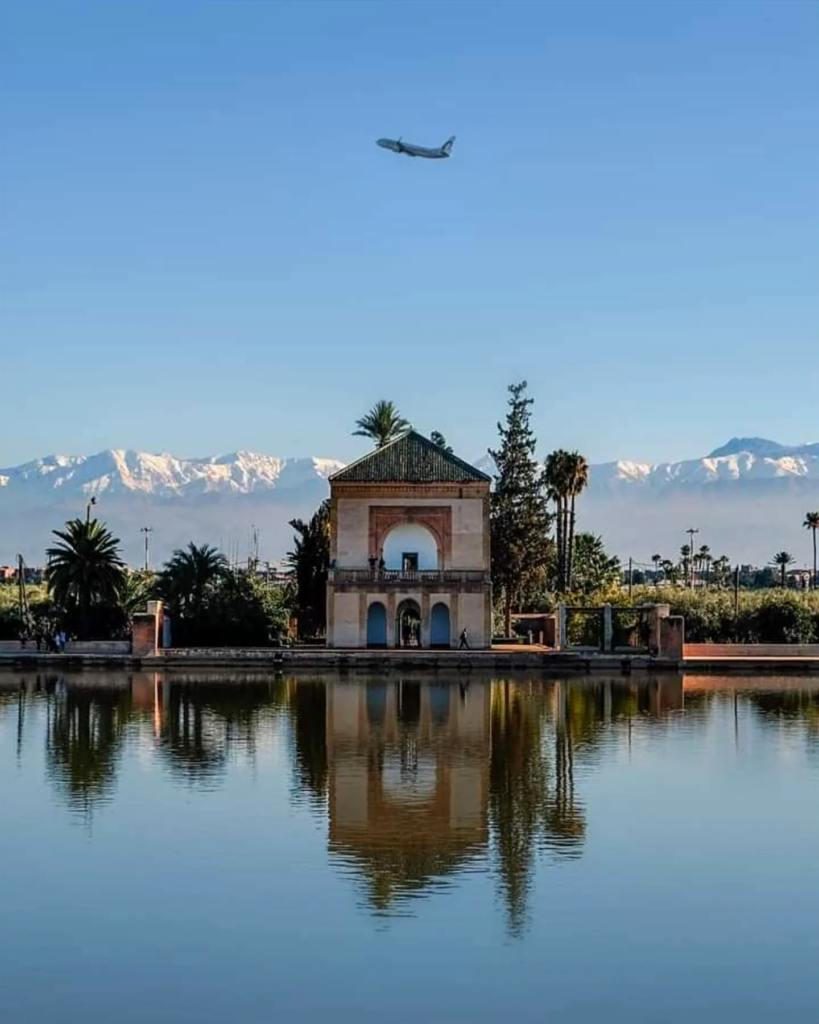
The Moroccan dirham (MAD, written DH on menus) sits at roughly 10–11 MAD to the euro and about 9–10 MAD to the US dollar in 2026. For quick mental maths we tell our travellers to knock a zero off: 100 MAD is a bit under €10 or about $10. It is not exact, but it stops you agonising over every glass of mint tea.
The figures below use about 9.5 MAD per dollar. If the rate drifts, the dirham prices are the ones to trust, because that is what you will be charged.
Daily budgets: three realistic tiers
Backpacker: $35–$50 a day (about 330–480 MAD)
This is very doable, especially if you travel slowly and stay away from the most touristy squares at mealtimes. A bed in a hostel or a dorm in a converted riad in the Marrakech or Fes medina costs about 100–200 MAD, often with a simple breakfast of bread, jam, a boiled egg and coffee.
Lunch can be a plate of grilled sardines in Essaouira’s port for 40–60 MAD, a bowl of bissara (fava bean soup) for 5–10 MAD in Fes, or a sandwich of spiced kefta from a hole-in-the-wall grill. Long distances are covered on CTM or Supratours buses, and you walk the medinas because, frankly, taxis can’t get in anyway.
- Accommodation: 100–200 MAD
- Food and drinks: 120–180 MAD
- Local transport and one sight: 50–100 MAD
- Daily total: about 330–480 MAD
The catch: a single long bus ride or an organised day trip eats most of a day’s budget, so average it out across the week.
Mid-Range: $90–$180 a day (about 850–1,700 MAD)
This is where most of our guests sit, and it buys a genuinely comfortable trip. Think a double room in a well-kept riad with a plunge pool or roof terrace for 600–1,200 MAD a night (split between two people), sit-down dinners with a tagine, salads and fresh juice, first-class train seats and the odd private guide.
- Accommodation (per person, sharing): 350–800 MAD
- Food and drinks: 250–450 MAD
- Transport, entrance fees, guides: 200–400 MAD
- Extras (hammam, shopping, tips): 50–150 MAD
- Daily total: about 850–1,700 MAD
If you are weighing up where to sleep, our guide to choosing between a riad and a hotel in Morocco explains what you get for the money.
Luxury: $350+ a day (3,300 MAD and up)
Morocco does luxury extremely well, and the top end is not cheap. Palace hotels and high-end riads in Marrakech’s Kasbah or the Palmeraie run 3,500–10,000 MAD a night and beyond. Add a private driver in a 4×4, tasting menus at 600–1,200 MAD a head, wine (heavily taxed, so a decent bottle in a restaurant is rarely under 300 MAD) and a spa hammam at 600–1,000 MAD, and daily spending easily reaches $500 or more per person.
The upside is that service at this level is warm and personal, and a private itinerary saves you a lot of time. Our private Morocco tours are built around exactly this kind of trip, with your own driver and hand-picked hotels.
Real prices on the ground (2026)
These are the prices we see week in, week out. Tourist zones such as Jemaa el-Fna in Marrakech or the blue lanes of Chefchaouen charge more; a street or two away, prices fall.
| Item | Typical price (MAD) | Approx. US$ / € |
|---|---|---|
| Bottled water, 1.5 litre, from a corner shop | 6–8 | $0.60–0.85 / €0.55–0.75 |
| Bottled water in a tourist café | 15–25 | $1.50–2.60 |
| Mint tea in a local café | 10–20 | $1–2 |
| Fresh orange juice at a street stall | 5–15 | $0.50–1.60 |
| Street breakfast (msemen, harcha, tea) | 10–20 | $1–2 |
| Tagine or couscous, local restaurant | 40–70 | $4–7.50 |
| Tagine, tourist restaurant or rooftop | 90–160 | $9.50–17 |
| Three-course dinner, upmarket restaurant | 300–600 | $32–63 |
| Petit taxi, short ride within a city (day) | 15–40 | $1.60–4.20 |
| Marrakech airport to medina by taxi | 100–200 | $10.50–21 |
| Hostel dorm bed | 100–200 | $10.50–21 |
| Budget riad, double room | 350–600 | $37–63 |
| Mid-range riad, double room | 800–1,800 | $84–190 |
| Luxury riad or palace hotel, double room | 3,500–10,000+ | $370–1,050+ |
| Train Marrakech–Casablanca, 2nd class | 110–170 | $12–18 |
| Train Marrakech–Fes, 2nd / 1st class | 220–270 / 330–400 | $23–28 / $35–42 |
| Al Boraq Casablanca–Tangier, 2nd class | 150–350 (varies by date) | $16–37 |
| CTM bus Marrakech–Essaouira | 90–110 | $9.50–12 |
| Bus Marrakech–Merzouga (overnight) | 230–300 | $24–32 |
| Bahia Palace, Marrakech | about 100 | about $10.50 |
| Jardin Majorelle (garden only) | about 160–170 | about $17–18 |
| Ben Youssef Madrasa, Marrakech | about 50 | about $5 |
| Hassan II Mosque guided visit, Casablanca | about 140 | about $15 |
| Volubilis Roman ruins | about 70 | about $7.50 |
| Local neighbourhood hammam (entry only) | 15–25 | $1.60–2.60 |
| Sahara desert tour | Varies widely (see below) | — |
Train fares on ONCF are partly dynamic, especially on Al Boraq, so booking a few days ahead usually helps. You can check timetables on the official ONCF site and bus routes on CTM, or let us arrange train tickets in Morocco for you. Note that Al Boraq currently runs Tangier–Kenitra–Rabat–Casablanca; the extension towards Marrakech is under construction, not open.
What about desert tours?
A night in the Sahara is the single biggest line item on most Moroccan itineraries, and the honest answer is that the price depends almost entirely on two things: how many people share the vehicle and where you sleep. A seat in a shared minibus with a standard camp costs a fraction of a private 4×4 with a luxury tent that has its own bathroom and a proper bed.
Distance matters too. Merzouga is about 560 km and 9–10 hours by road from Marrakech, so a meaningful trip there is three days minimum. Rather than quote numbers that change with group size and season, we keep current options on our Morocco desert tours page. Travelling solo or on a tighter budget, a small group tour is usually the best value.
Where the money actually goes
When guests show us their spending at the end of a trip, the pattern is almost always the same. Accommodation takes the biggest slice, then guided excursions and transfers, then food. Shopping is the wild card: a hand-knotted Berber rug can cost 1,500 MAD or 25,000 MAD, and the difference is not always visible to an untrained eye.
A few things quietly inflate budgets:
- Eating on the main square every night. The food stalls of Jemaa el-Fna are fun once, but prices are padded and extras appear on the bill. Ask for the price before you sit down.
- Unofficial guides. The young man who “shows you the way” to the tanneries will expect payment, and the tannery shop expects you to buy.
- Taxis without the meter. In Marrakech and Fes, insist on the compteur or agree the fare before getting in. After dark, a 50% surcharge is normal.
- Alcohol. Licensed bars and restaurants exist, but prices are close to European levels or higher.
Our article on how to bargain in Moroccan souks covers the shopping side in detail. For food, the Moroccan food guide tells you which dishes to look for in cheap local spots.
Currency and tipping
The dirham is a closed currency
You cannot buy dirhams before you leave home in any sensible way, and you are only allowed to bring a small amount in or out of the country (the limit has been 2,000 MAD; check current rules before you fly). The practical answer is to arrive with a card and some euros, dollars or pounds, and change or withdraw on arrival.
Keep your exchange and ATM receipts. At the airport on the way out, banks will convert leftover dirhams back into foreign currency, but usually only if you can show those receipts.
ATMs and cards
ATMs (guichets automatiques) are everywhere in cities and larger towns: Attijariwafa Bank, Banque Populaire, CIH and Bank of Africa are the common ones. Withdrawal limits are typically 2,000–4,000 MAD per transaction. Your home bank’s fees apply, and some Moroccan machines add a small charge on top. Stock up before heading to the desert or the mountains, where machines are few and sometimes empty.
Cards are accepted in mid-range and upmarket hotels, larger restaurants, supermarkets such as Carrefour and Marjane, and fuel stations on main roads. In the souks, small cafés, taxis and most riads at the budget end, it is cash only. If a card machine offers to charge you in your home currency, decline and pay in dirhams; the conversion rate offered is rarely in your favour.
Exchange bureaux in the medinas often give rates as good as the banks, with no commission. Bring clean, undamaged notes; torn or scribbled-on euros are sometimes refused.
Tipping etiquette, in dirhams
Tipping (pourboire) is part of daily life in Morocco. Wages in tourism are modest, and small tips are expected rather than optional. Carry a pocket of 5, 10 and 20 MAD coins and notes; nobody ever has change for a 200.
| Who | Typical tip |
|---|---|
| Restaurant waiter | Round up, or 5–10% in sit-down restaurants |
| Café | 2–5 MAD, leave the coins on the saucer |
| Porter or riad staff carrying bags | 10–20 MAD per bag |
| Official city guide (half day) | 100–200 MAD per group |
| Driver on a multi-day tour | 100–150 MAD per day, from the group |
| Camel handler in the desert | 50–100 MAD |
| Hammam attendant (kessala) | 20–50 MAD |
| Car-park guardian | 2–5 MAD (more overnight) |
| Public toilet attendant | 2–5 MAD |
We usually tell our travellers that tipping a driver or guide at the end of a trip, in an envelope or simply handed over with a thank-you, is the most appreciated gesture. Do not feel obliged to tip someone who attached themselves to you uninvited; a firm la, shukran (no, thank you) is perfectly polite.
Money tips from our team
- Withdraw larger sums less often to limit bank fees, but split cash between your bag and your riad safe.
- Ask the price of anything without a printed tag before you agree, from taxis to henna.
- Breakfast is usually included in riads. Check before paying extra in a café.
- Prices in spring, the autumn shoulder season and around Christmas and New Year rise noticeably. See our guide to the best time to visit Morocco for timing.
Is Morocco cheaper than Europe?
For most things, yes. A tagine, a train ride or a night in a simple riad costs well under what you would pay in Spain or France. The exceptions are imported goods, alcohol and top-tier hotels, which are priced for an international market. Petrol is also not much cheaper than in Southern Europe.
Where Morocco really rewards a modest budget is in experiences: a day in the Atlas villages, an afternoon in a neighbourhood hammam, or a night under the stars near the dunes cost far less than their equivalents elsewhere. Whatever your budget, the official UK travel advice for Morocco is worth a read before you go for entry rules and practical tips.
Frequently asked questions
How much money do I need for a week in Morocco?
Roughly 2,500–3,500 MAD ($260–370) per person for a careful backpacker, 6,000–12,000 MAD ($630–1,260) for a comfortable mid-range trip, and 25,000 MAD ($2,600) or more for luxury, before international flights. A desert excursion adds to all of these.
Is Morocco expensive for tourists?
Not compared with Western Europe or North America. Local food, buses, trains and simple riads are cheap. Tourist-zone restaurants, alcohol, luxury hotels and private tours cost much closer to European prices.
Should I bring euros, dollars or cards to Morocco?
Bring a debit card for ATMs plus some euros or dollars in clean notes as backup. Euros are the easiest to exchange. You cannot get dirhams in advance in any useful amount because the currency is closed.
How much should I tip in Morocco?
Round up or leave 5–10% in restaurants, 2–5 MAD in cafés, 10–20 MAD per bag for porters, 100–200 MAD per group for a half-day guide and 100–150 MAD per day for a tour driver.
Can I use my credit card in Morocco?
In hotels, larger restaurants, supermarkets and many fuel stations, yes. In souks, taxis, small cafés and budget riads, cash is still king.
How much is a taxi in Marrakech?
A short petit taxi ride within the city is usually 15–40 MAD during the day if the meter is used, with about 50% more at night. From the airport to the medina, expect 100–200 MAD.
If you would like a trip that fits your budget, from a simple shared desert excursion to a fully private journey with hand-picked riads, tell us what you have in mind. Get in touch with our Marrakech team and we will put together a realistic quote, with no surprises on the bill.